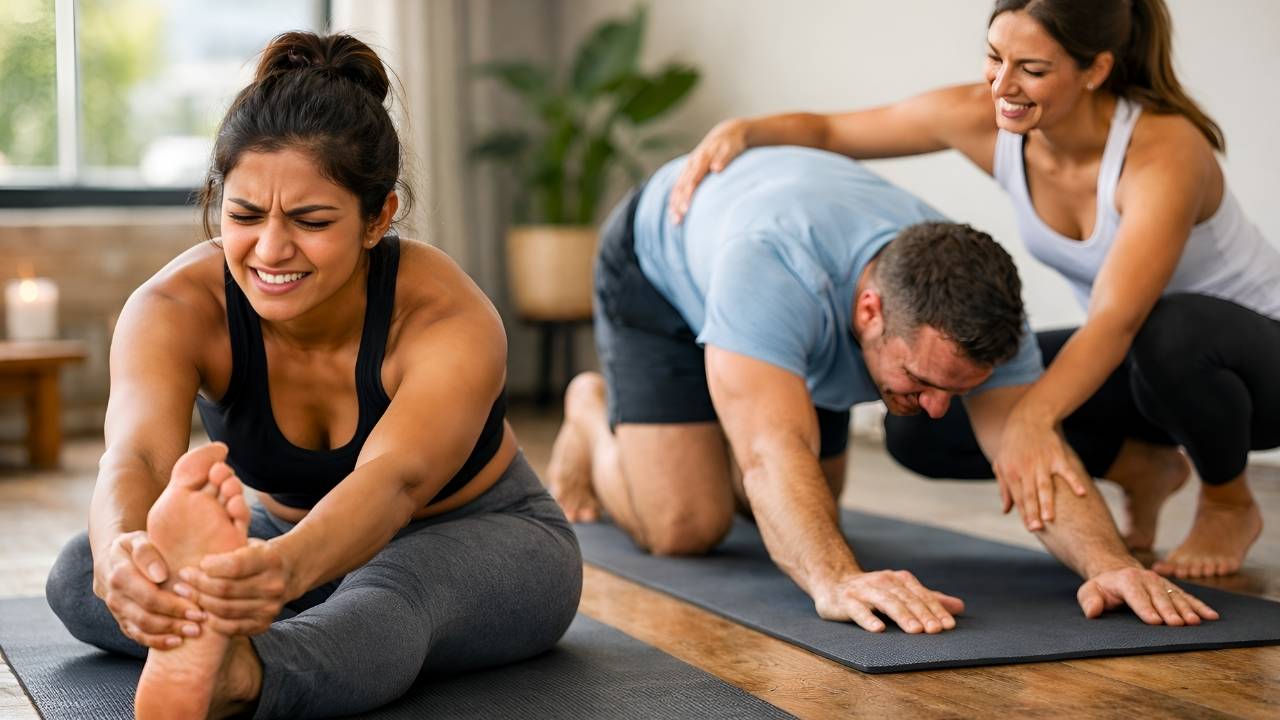
Most People Do Yoga Wrong: Yoga has become a global phenomenon, but many people approach it with misunderstandings. Some see it only as a workout, others treat it as a quick fix for stress, and many jump straight into advanced poses without building a foundation. These misconceptions often lead to frustration, injuries, or a shallow experience that misses the essence of yoga.
Yoga Is More Than Physical Exercise
At its core, yoga is not just about stretching or sweating through a class. It is a holistic practice that unites body, mind, and breath. The physical postures, known as asanas, are only one part of a larger system that includes breathing techniques, meditation, and ethical principles. When practiced correctly, yoga cultivates awareness, balance, and inner peace—not just toned muscles.

The Importance of Breath
One of the most common mistakes beginners make is ignoring the breath. Yoga without mindful breathing is incomplete. Breath guides movement, calms the nervous system, and helps practitioners stay present. A simple practice like inhaling deeply through the nose and exhaling slowly can transform even the most basic pose into a powerful experience.
Start With the Basics
Instead of rushing into complex postures, beginners should focus on foundational poses. Mountain Pose teaches alignment, Downward Dog builds strength and flexibility, and Child’s Pose encourages rest and surrender. Mastering these basics creates a strong foundation for more advanced practices later on.

Listen to Your Body
Yoga is not a competition. Many people push themselves to mimic what they see in videos or classes, ignoring their body’s signals. The right way to practice is to honor your limits and progress gradually. Pain is a warning sign, while mild discomfort from stretching is natural. Respecting this difference prevents injuries and builds resilience.
Consistency Over Intensity
Another mistake is treating yoga as a once-in-a-while activity. Sporadic practice rarely brings lasting benefits. A short daily routine—even ten minutes—can be more effective than occasional long sessions. Consistency helps the body adapt, deepens awareness, and integrates yoga into everyday life.

The Role of Mindfulness
Yoga is not just about physical shapes; it is about presence. Practicing with mindfulness means paying attention to how the body feels, how the breath flows, and how the mind reacts. This awareness extends beyond the mat, influencing how one handles stress, relationships, and challenges in daily life.
Avoiding the Trap of Perfection
Many beginners believe they must achieve perfect poses. In reality, yoga is about progress, not perfection. Each body is unique, and poses look different for everyone. Props like blocks and straps are not signs of weakness but tools to make yoga accessible and safe.

Integrating Meditation
Physical postures prepare the body for stillness. Meditation is the heart of yoga, yet it is often overlooked. Even a few minutes of sitting quietly, focusing on the breath, can bring clarity and calm. This mental discipline complements the physical practice and completes the yoga experience.
Finding the Right Guidance
Self-practice is valuable, but beginners benefit from guidance. A knowledgeable teacher can correct alignment, suggest modifications, and introduce breathing techniques. Online resources can help, but in-person instruction ensures safety and deeper learning.

Yoga as a Lifestyle
True yoga extends beyond the mat. It encourages healthy living, compassion, and self-awareness. Eating mindfully, practicing gratitude, and treating others with kindness are all part of yoga. When embraced as a lifestyle, yoga becomes a path to holistic well-being.
How to Begin the Right Way
For those starting out, the right approach is simple:
- Begin with basic poses and breathing exercises.
- Practice regularly, even if only for a few minutes.
- Focus on mindfulness rather than perfection.
- Listen to your body and avoid pushing too hard.
- Explore meditation alongside physical practice.
- Seek guidance when possible.
Conclusion
Most people do yoga wrong because they treat it as a workout or chase difficult poses without understanding its essence. The right way to start is with patience, mindfulness, and respect for the body. Yoga is a journey, not a destination. When practiced correctly, it becomes a lifelong companion that nurtures strength, balance, and inner peace.