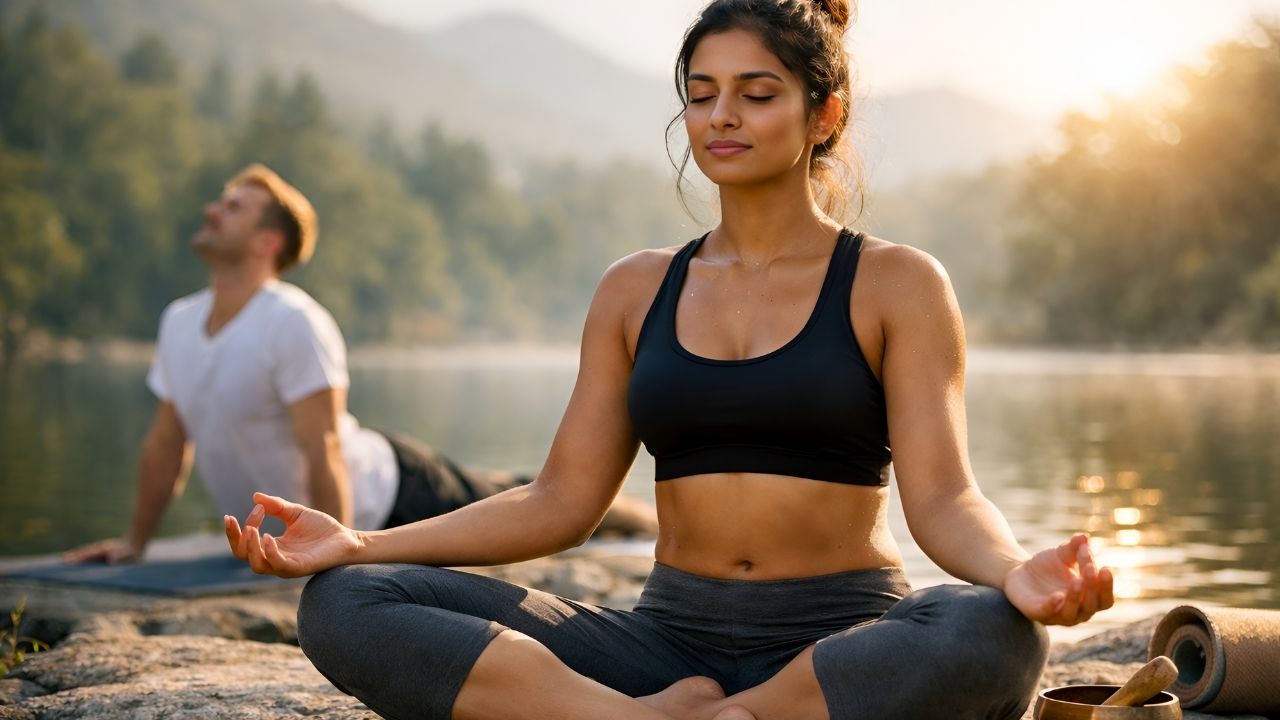
Yoga Is Not Just Stretching: Many people believe yoga is simply a series of stretches designed to loosen tight muscles. While stretching is part of the practice, it is far from the whole story. Yoga is a holistic discipline that combines movement, breath, and mindfulness. It strengthens the body, calms the mind, and restores balance. The shock for beginners is realizing that yoga is not passive stretching but active engagement of muscles, joints, and breath.
Building Strength in Silence
Yoga poses may look gentle, but they demand strength. Holding positions like plank, warrior, or chair pose engages stabilizing muscles that traditional workouts often overlook. Instead of explosive movements, yoga builds endurance and control. Over time, this strength translates into better posture, improved balance, and resilience in everyday activities. The body adapts quickly because yoga strengthens without strain.

The Power of Breath
Breathing is the foundation of yoga. Each inhale and exhale guides movement, calms the nervous system, and increases oxygen flow. This conscious breathing reduces fatigue and enhances focus. Unlike workouts that often ignore breath, yoga teaches the body to use it as a tool for energy and recovery. The result is faster adaptation and a deeper sense of calm.
Flexibility and Mobility
Stretching alone improves flexibility, but yoga goes further. It combines stretching with strength and balance, creating mobility that lasts. Poses open joints, lengthen muscles, and reduce stiffness. Within days, beginners notice they can move more freely. This improvement in mobility is one of the most immediate and surprising benefits of yoga.
Stress Relief and Emotional Balance
Yoga activates the parasympathetic nervous system, which calms the body and reduces stress. Workouts often elevate cortisol levels, leaving the body tense. Yoga does the opposite. Through mindful breathing and gentle movement, it lowers stress hormones and promotes emotional stability. Many practitioners find themselves less anxious, more focused, and emotionally balanced after just a few sessions.
Healing and Recovery
Yoga doubles as both exercise and recovery. Gentle stretches improve circulation, reduce lactic acid buildup, and soothe sore muscles. This makes yoga ideal for people recovering from intense workouts or dealing with chronic tension. The body adapts faster because yoga nurtures healing while building strength.

Sleep and Restoration
One of the most overlooked benefits of yoga is its impact on sleep. By calming the nervous system and releasing tension, yoga prepares the body for rest. Many beginners notice they fall asleep more easily and wake up feeling refreshed. Better sleep accelerates adaptation because the body repairs itself more effectively.
Mind-Body Connection
Yoga integrates the mind and body in a way workouts rarely do. Awareness of posture, breath, and movement teaches the brain to guide the body more efficiently. This connection improves balance, coordination, and focus. The shock for beginners is realizing that yoga trains the mind as much as the body.

Strength Without Strain
Unlike workouts that push muscles to exhaustion, yoga strengthens through controlled engagement. Holding poses builds endurance without the risk of injury from overexertion. This low-impact approach allows the body to adapt quickly and safely. Beginners often find themselves stronger than expected after just a short time.
A Holistic Transformation
The true power of yoga lies in its holistic benefits. It improves flexibility, builds strength, calms the mind, enhances sleep, and promotes emotional balance. Stretching is only a small part of the practice. The real transformation comes from the integration of body, breath, and mind.
A Lifestyle, Not Just Exercise
Yoga is more than a workout routine. It becomes a lifestyle that encourages balance in every aspect of life. Beginners who start yoga expecting only physical benefits often discover mental clarity, emotional healing, and spiritual growth. The body adapts faster not just because of the poses but because yoga teaches harmony between movement and stillness.