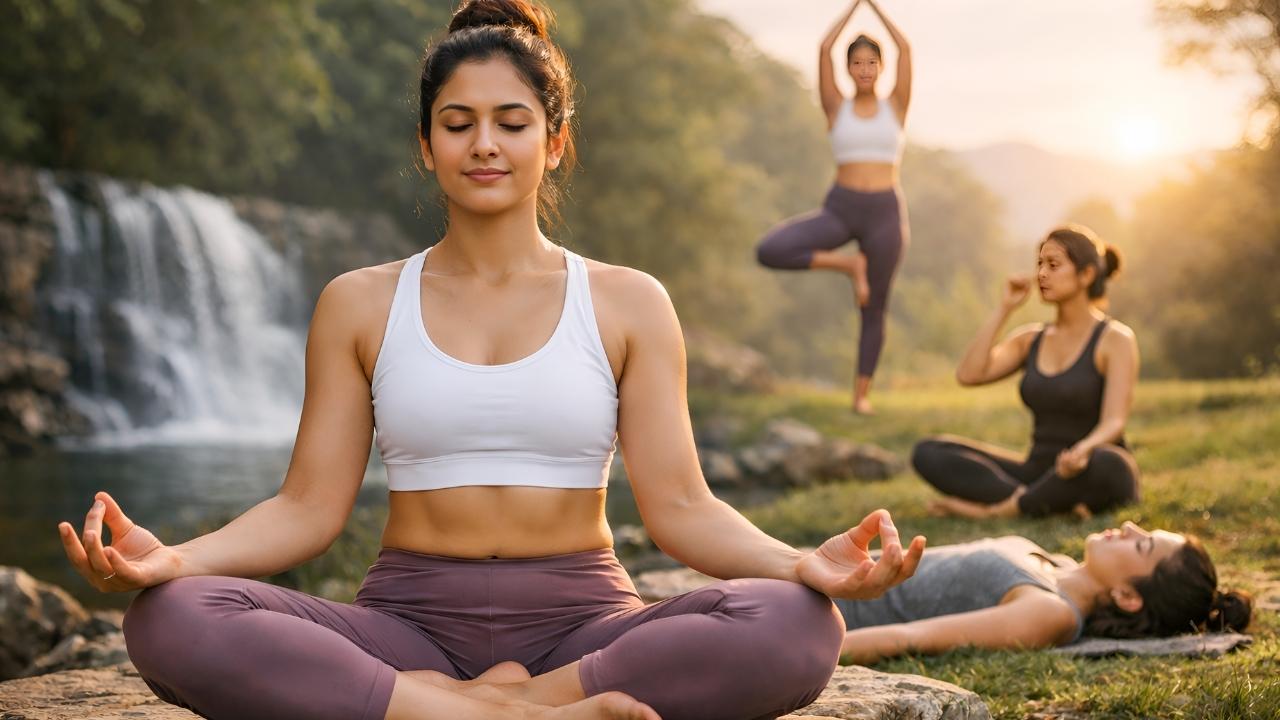
The Unique Lessons Yoga Gives Your Body: Unlike traditional workouts that often focus on building strength or endurance, yoga emphasizes balance. This is not just about standing on one leg but about creating harmony between different parts of the body. Through poses like Tree Pose or Warrior III, yoga trains stabilizing muscles that are often neglected in regular fitness routines. This balance translates into better posture, coordination, and reduced risk of falls or injuries.
Flexibility With Purpose
Stretching is common in workouts, but yoga takes flexibility to another level. It teaches the body to move with awareness, lengthening muscles while protecting joints. Poses such as Forward Fold or Pigeon Pose open tight areas gradually, encouraging safe mobility. Unlike quick stretches before a run, yoga’s approach to flexibility is mindful, ensuring that the body gains range of motion without strain.

Strength Through Stillness
Many workouts rely on repetitive movement or heavy weights to build strength. Yoga, however, often uses stillness. Holding poses like Plank or Chair Pose engages deep muscle groups that machines or dumbbells may overlook. This kind of strength is functional, supporting everyday activities like lifting, bending, or carrying with greater ease.
The Power of Breath
Breathing is automatic, yet yoga transforms it into a tool for health. Practices like Ujjayi or alternate nostril breathing regulate the nervous system, lower stress, and improve oxygen flow. Unlike regular workouts where breath is often ignored, yoga integrates it into every movement. This connection enhances endurance, calms the mind, and teaches the body to recover more efficiently.

Mind-Body Awareness
Workouts often focus on external goals—calories burned, weights lifted, or miles run. Yoga shifts the focus inward. It teaches practitioners to notice subtle sensations, align movements with breath, and observe mental patterns. This awareness builds a stronger connection between mind and body, helping people recognize tension, stress, or imbalance before it becomes a problem.
Gentle Healing
Yoga offers lessons in recovery that regular workouts rarely emphasize. Restorative poses like Child’s Pose or Legs-Up-the-Wall encourage circulation, reduce inflammation, and calm the nervous system. These practices help the body heal from strain, making yoga not just a workout but a form of therapy for muscles and joints.

Resilience and Patience
In a gym, progress is often measured by heavier weights or faster times. Yoga teaches patience. Holding a challenging pose or returning to the mat daily builds resilience. Progress in yoga is subtle—greater ease in a stretch, calmer breathing, or steadier focus. These lessons extend beyond the mat, teaching patience in everyday life.
Stress Release Beyond Sweat
Many workouts reduce stress through physical exertion. Yoga does this differently. By combining movement, breath, and meditation, it teaches the body to release tension without relying on exhaustion. Practices like Savasana or guided relaxation calm the nervous system, offering a deeper sense of peace than a typical workout cooldown.

Improved Circulation and Energy Flow
Yoga’s unique blend of poses encourages blood flow and energy movement throughout the body. Inversions like Shoulder Stand or Downward Dog stimulate circulation, bringing fresh oxygen to cells. Twists detoxify organs and improve digestion. These lessons go beyond muscle training, teaching the body how to function more efficiently.
Integration of Rest
Regular workouts often overlook rest, focusing on intensity and repetition. Yoga integrates rest as part of the practice. The final relaxation pose, Savasana, is not optional but essential. It teaches the body to absorb the benefits of movement, reset the nervous system, and cultivate stillness. This lesson reminds us that rest is as important as effort.
Yoga as a Lifestyle
Perhaps the most unique lesson yoga gives the body is that it is not confined to exercise. It encourages mindful eating, conscious breathing, and compassionate living. The body learns to move with awareness, rest with intention, and live with balance. Unlike workouts that end when you leave the gym, yoga continues throughout the day in how you sit, walk, breathe, and interact with others.
Conclusion
Yoga offers lessons that regular workouts cannot. It teaches balance, mindful flexibility, strength through stillness, and the power of breath. It builds awareness, resilience, and patience while promoting healing and stress release. Most importantly, yoga integrates rest and encourages a lifestyle of mindfulness. These unique lessons make yoga more than exercise—it is a path to holistic well-being that transforms both body and mind.