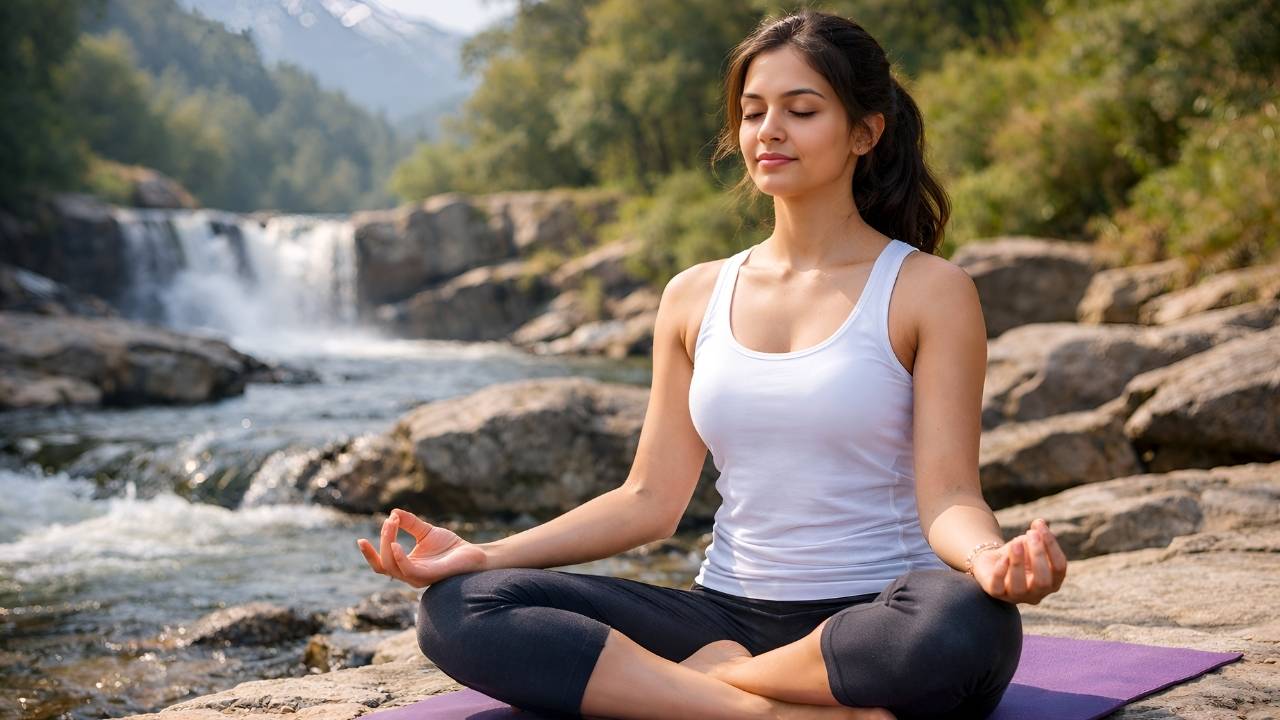
The Secret Reason Yoga Works: Yoga is often described as a physical practice, but its true strength lies in the way it connects body, mind, and breath. Unlike many fitness routines that focus only on muscles or endurance, yoga integrates awareness into every movement. This connection creates a sense of harmony that other methods often overlook. When people struggle with exercise programs that feel mechanical or exhausting, yoga offers a gentler path that still delivers profound results.
Beyond Physical Fitness
Traditional workouts can build strength, burn calories, and improve stamina, but they rarely address the deeper layers of human experience. Yoga, on the other hand, works on multiple levels at once. The physical postures improve flexibility and balance, while the breathing techniques calm the nervous system. Together, they create a holistic transformation that goes beyond fitness. This is why yoga often succeeds where other methods fail—it nurtures the whole person, not just the body.

The Role of Breath
Breathing is the secret ingredient that makes yoga unique. In most exercise routines, breath is incidental, something that happens automatically. In yoga, breath is central. Each inhale and exhale is synchronized with movement, creating a rhythm that quiets the mind and energizes the body. This conscious breathing reduces stress, lowers anxiety, and improves focus. For people who have tried countless methods to feel better, the simple act of breathing with awareness can be life-changing.
Healing from Within
Many people turn to yoga after facing injuries, chronic pain, or emotional struggles. Unlike high-impact workouts, yoga emphasizes gentle progress and self-compassion. The practice encourages listening to the body rather than pushing it beyond limits. This healing approach allows individuals to rebuild strength and resilience without aggravating existing conditions. It explains why yoga often succeeds where other methods fail—it respects the body’s need for recovery and renewal.

The Mind-Body Connection
Science has shown that mental health and physical health are deeply intertwined. Stress, anxiety, and depression can manifest as physical symptoms, while physical tension can affect emotional well-being. Yoga bridges this gap by cultivating mindfulness. Through meditation and focused awareness, practitioners learn to observe thoughts without judgment. This mental clarity reduces emotional burdens and creates space for healing. Other methods may strengthen the body, but yoga strengthens the mind-body connection, unlocking a deeper sense of balance.
A Practice of Presence
One of the most overlooked aspects of yoga is its emphasis on presence. In a world filled with distractions, yoga teaches the art of being here and now. Each posture is an invitation to focus on the present moment, leaving behind worries about the past or future. This practice of presence is often the missing piece in other methods. People may exercise diligently but still feel restless or unfulfilled. Yoga fills that gap by cultivating inner peace alongside physical progress.

Accessible to All
Another secret reason yoga works is its adaptability. Whether someone is young or old, flexible or stiff, energetic or fatigued, yoga offers variations that meet them where they are. Unlike rigid fitness programs that demand a certain level of ability, yoga welcomes everyone. This inclusivity makes it sustainable, allowing people to continue practicing throughout their lives. When other methods fail due to difficulty or exhaustion, yoga remains accessible and supportive.
The Subtle Energy Shift
Beyond the physical and mental benefits, yoga works on a subtle energetic level. Ancient traditions describe this as the flow of prana, or life energy, through the body. Modern science may frame it differently, but the experience is undeniable—after a yoga session, people often feel lighter, calmer, and more vibrant. This energetic shift is something other methods rarely provide. It is the secret spark that keeps practitioners returning to the mat, even after years of practice.

Building Resilience
Life is full of challenges, and resilience is the ability to face them with strength and grace. Yoga builds resilience not only in the body but also in the mind. By practicing patience, discipline, and acceptance, individuals learn to navigate difficulties with greater ease. Other methods may build physical toughness, but yoga cultivates emotional resilience, which is often the key to long-term well-being.
The Journey Inward
Ultimately, the secret reason yoga works is that it is not just about external results. While other methods often focus on appearance or performance, yoga invites a journey inward. It encourages self-discovery, self-acceptance, and self-love. This inner transformation is what makes yoga so powerful. When people realize that true wellness comes from within, they find lasting peace that no other method can provide.